
Why Swimwear Fits Poorly—and How to Read the Signs
Learn why swimwear gaps, digs, sags, or lacks support—and how to evaluate fit more confidently when shopping online.
The Real Reasons Swimwear Fits Poorly
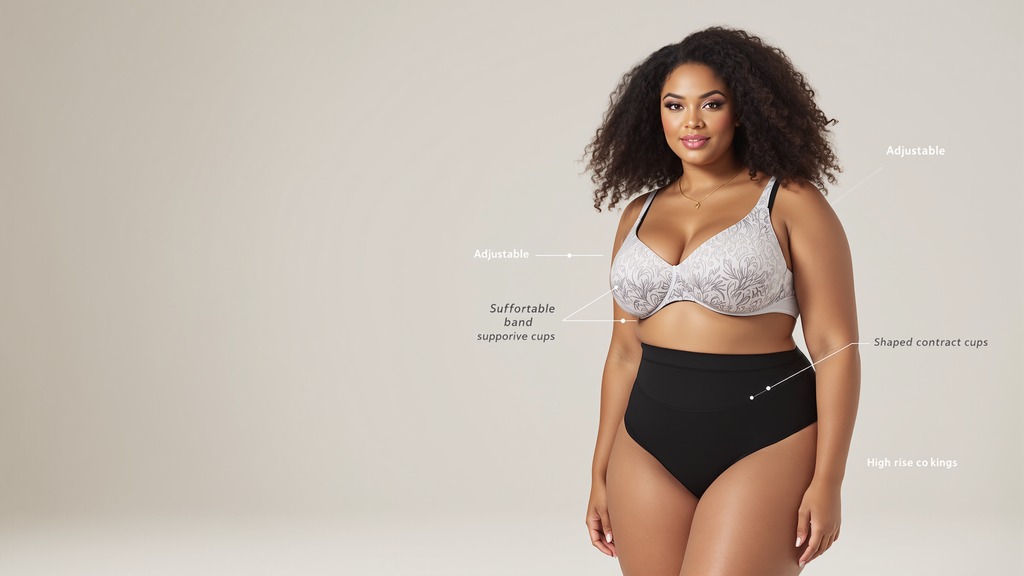
A swimsuit can be the correct size and still fit badly. The main problem is often proportion: standard grading increases measurements across the garment without accounting for how bust, waist, hips, and torso length change independently. A shopper with a fuller bust and smaller hips may need different sizes on top and bottom, while someone with a longer torso may experience pulling in a one-piece. These differences are why body-inclusive fashion requires more than simply adding larger measurements to an existing pattern.
Construction also matters. Thin elastic, shallow cups, weak straps, and poorly placed seams can create gaping, digging, sagging, or inadequate support. A bikini top may stretch around the rib cage but fail to contain the bust, while a bottom may feel tight at the leg openings yet offer insufficient front or back coverage. In curvy swimwear, supportive lining, adjustable straps, wider bands, strategic seaming, and thoughtful rise measurements can make a substantial difference. Rather than judging a swimsuit by its label alone, evaluate how its structure works with your proportions.
How to Recognize Gaping, Digging, and Sagging
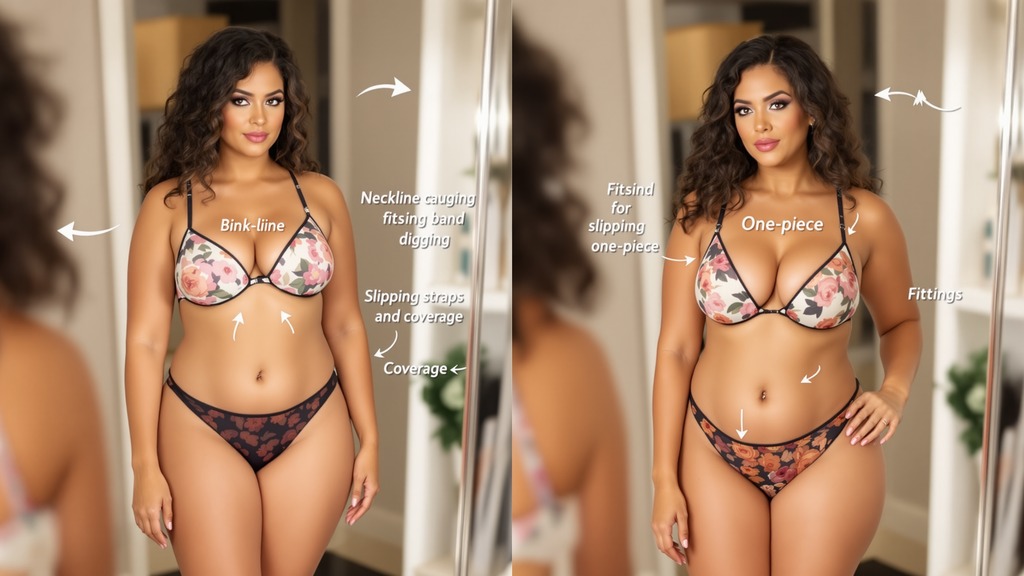
Your body often reveals a fit problem before a product description does. Gaping at the neckline or armhole can indicate that a cup is too large, the top is not shaped for your bust, or the garment lacks enough adjustment. Digging straps and bands may signal insufficient width or excessive tension, not that you need to size down. If the center front lifts away from your body, the bust may not be fully supported. On the other hand, wrinkling, folding, or a loose seat can point to excess fabric, weak elastic, or a bottom that is too large for your hips.
For one-pieces, watch for horizontal pulling across the bust or hips, shoulder straps that constantly slip, and fabric that rides upward when you move. These signs may reflect a short torso rather than an incorrect overall size. When assessing swimwear fit, try sitting, bending, raising your arms, and walking. Coverage should remain secure without restricting breathing or movement. Online shoppers can use reviews to look for repeated comments about band tension, torso length, opacity, and support. Model measurements and fit notes are especially useful because they add context that a generic size chart cannot provide.
A Smarter Way to Shop for Swimwear Online
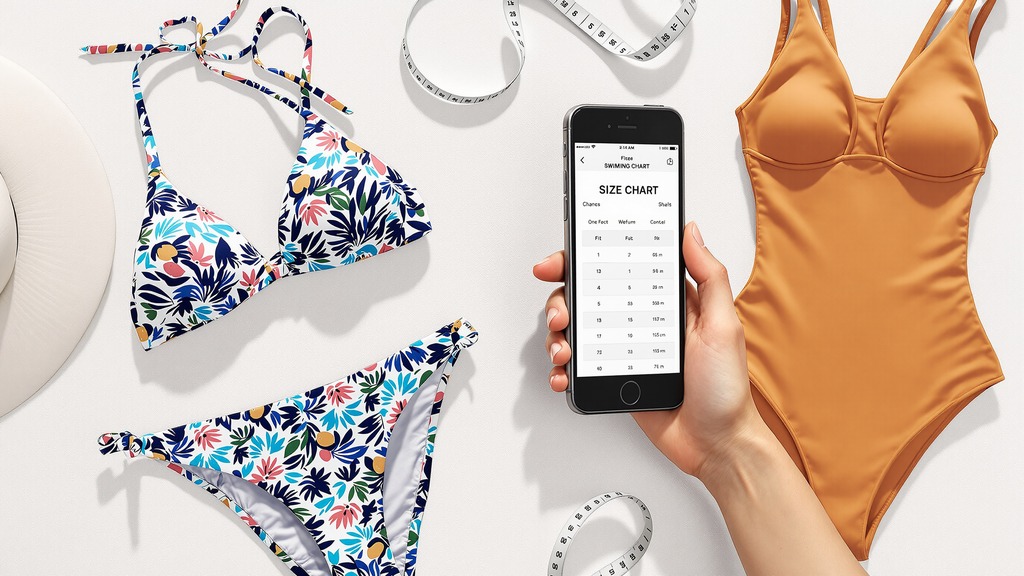
A better online search starts with measurements, not a single letter or number. Measure your bust at the fullest point, underbust, natural waist, fullest hip, and, for one-pieces, torso length if the brand provides guidance. Compare each measurement with the garment’s chart and read whether the fabric is highly stretchy, compressive, lined, or structured. For bikinis, treat the top and bottom as separate fit decisions. A supportive top may require a larger size than a high-waisted bottom, and that is a normal advantage of mix-and-match swimwear.
Next, study the details that reduce uncertainty: model measurements, height, usual size, garment coverage, adjustable features, customer reviews, and return terms. Look for comments that describe real experiences rather than relying only on star ratings. The best fit guide helps you understand how a suit behaves across fuller busts, curvier hips, longer torsos, and different coverage preferences. Swimwear should feel secure, comfortable, and intentional—not something you have to constantly adjust. With clearer information and thoughtful construction, finding flattering curvy swimwear becomes less about hiding your body and more about choosing the support and style that let you enjoy the water confidently.